
 OpenOSes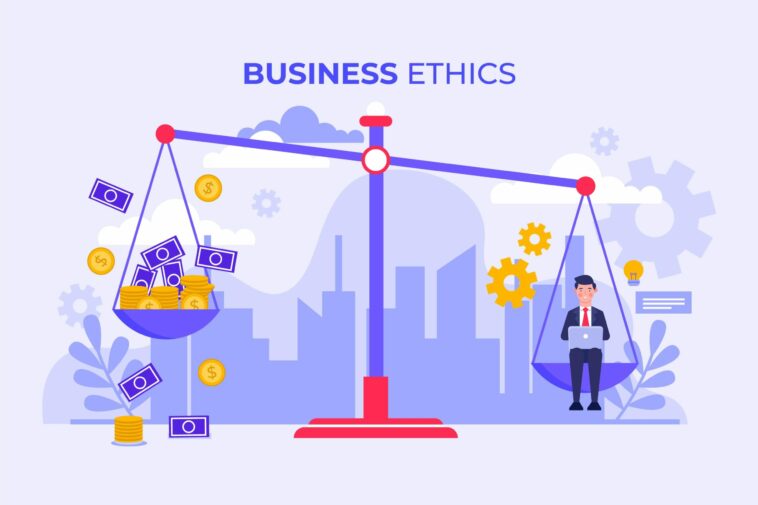
In as we speak’s fast-paced business surroundings, it’s straightforward to get caught up within the chase for revenue, progress, and success. However what really units nice corporations other than the remainder isn’t simply their backside line—it’s their dedication to enterprise ethics. Whether or not you’re main a small startup or managing a multinational company, moral practices are key to constructing a sustainable and revered enterprise.
Enterprise ethics isn’t nearly following legal guidelines or laws; it’s about doing the fitting factor even when nobody is watching. It is about equity, honesty, and transparency in each side of enterprise. On this submit, we’ll dive deep into the significance of enterprise ethics, tips on how to foster an moral office tradition, and the advantages it brings to each corporations and society at giant. Let’s discover how ethics can function a basis for lasting success!
What Are Enterprise Ethics, and Why Do They Matter?
Enterprise ethics consult with the ethical rules that information how an organization behaves, each internally and externally. These rules dictate how companies ought to function in areas similar to worker relations, environmental accountability, buyer interactions, and group engagement. Moral corporations not solely adjust to authorized necessities but in addition transcend them to make sure they’re performing pretty and responsibly.
However why do enterprise ethics matter? Listed here are just a few compelling causes:
- Belief and Fame: Moral corporations construct sturdy relationships with their stakeholders, together with prospects, staff, and buyers. Belief is the inspiration of those relationships, and moral practices assist earn and keep that belief.
- Worker Satisfaction: An moral office fosters a constructive surroundings the place staff really feel valued and revered. This results in larger job satisfaction, increased retention charges, and elevated productiveness.
- Authorized Compliance: Working ethically helps be sure that companies keep on the fitting aspect of the regulation, decreasing the chance of fines, lawsuits, and reputational injury.
- Social Duty: Moral corporations acknowledge their position in society and work to contribute positively by minimizing their environmental impression and supporting native communities.
Key Parts of Enterprise Ethics
Enterprise ethics covers a variety of areas, from how an organization treats its staff to the way it impacts the surroundings. Listed here are the important thing parts that form moral enterprise practices:
1. Honesty and Transparency
On the coronary heart of any moral enterprise is honesty. This implies being truthful in all communications with prospects, staff, and stakeholders. Whether or not it’s about product high quality, pricing, or firm efficiency, moral corporations present clear and correct info.
Instance: When an organization is clear about its pricing construction or potential dangers concerned with its product, it builds belief with its prospects. Being trustworthy about product limitations or potential delays can keep away from buyer dissatisfaction down the road.
2. Truthful Remedy of Staff
An organization’s success usually hinges on the well-being and satisfaction of its staff. Moral companies prioritize truthful remedy, offering equal alternatives, secure working circumstances, and aggressive wages. In addition they promote range and inclusion, recognizing {that a} various workforce fosters innovation and creativity.
Instance: Moral companies be sure that promotions and raises are based mostly on benefit quite than favoritism or bias. In addition they deal with points like office harassment, offering clear insurance policies for reporting and resolving such incidents.
3. Accountability
Accountability is an important part of enterprise ethics. Moral corporations take accountability for his or her actions, particularly when issues go fallacious. They don’t shift blame or sweep issues beneath the rug; as a substitute, they acknowledge errors, study from them, and make issues proper.
Instance: If a product is flawed, an moral firm recollects it promptly and compensates affected prospects quite than downplaying the problem or ignoring complaints.
4. Environmental Duty
As international issues about local weather change and sustainability develop, companies have an growing accountability to attenuate their environmental impression. Moral corporations take steps to scale back waste, decrease carbon emissions, and use sources effectively. They might additionally put money into sustainable practices or eco-friendly product designs.
Instance: An organization that makes use of renewable power sources for its operations or recycles supplies in its merchandise demonstrates its dedication to environmental ethics.
5. Truthful Competitors
In a aggressive enterprise surroundings, moral corporations play truthful. This implies avoiding dishonest ways like spreading false details about rivals or partaking in price-fixing schemes. Moral companies compete based mostly on the standard of their services, not on underhanded ways.
Instance: Moral corporations keep away from insider buying and selling, bribery, and different corrupt practices that give them an unfair benefit over their rivals.
Constructing an Moral Office Tradition
Creating an moral enterprise isn’t nearly having just a few guidelines in place; it’s about fostering a tradition of ethics all through the group. Listed here are some methods to construct and keep an moral office tradition:
1. Set up a Clear Code of Ethics
A robust code of ethics is the inspiration of an moral enterprise. This doc outlines the corporate’s core values, moral requirements, and anticipated habits for workers in any respect ranges. It serves as a information for decision-making and might help staff navigate difficult moral conditions.
Tip: Make your code of ethics accessible and simple to know. Repeatedly overview and replace it to replicate altering legal guidelines, laws, and societal expectations.
2. Lead by Instance
Management performs an important position in shaping an organization’s moral tradition. When executives and managers reveal moral habits, staff usually tend to observe swimsuit. Leaders who prioritize transparency, equity, and accountability encourage their groups to do the identical.
Tip: Leaders ought to be approachable and open to discussing moral issues. When staff see that their leaders worth integrity, they’re extra prone to uphold these values themselves.
3. Encourage Open Communication
Creating an surroundings the place staff really feel snug talking up is essential to sustaining an moral office. Encourage open dialogue about moral issues, and ensure staff know tips on how to report unethical habits with out concern of retaliation.
Tip: Implement an nameless whistleblower coverage in order that staff can report moral violations safely and confidentially.
4. Present Ongoing Ethics Coaching
Ethics coaching shouldn’t be a one-time occasion. Common coaching classes assist staff keep up-to-date on moral requirements, perceive tips on how to apply them in numerous conditions, and acknowledge potential moral dilemmas earlier than they escalate.
Tip: Incorporate real-world examples and case research in your coaching to make the content material extra partaking and relatable.
5. Reward Moral Habits
Recognizing and rewarding moral habits reinforces the corporate’s values. Staff who act with integrity ought to be acknowledged and celebrated, whether or not by formal recognition applications or casual reward from management.
Tip: Think about together with moral habits as a part of efficiency evaluations, so staff comprehend it’s a key part of success throughout the firm.
The Advantages of Moral Enterprise Practices
Committing to moral enterprise practices gives quite a few advantages past merely doing the fitting factor. Right here’s how moral habits can increase your corporation’s success:
1. Stronger Model Fame
In as we speak’s world, shoppers are extra socially aware than ever. Corporations that prioritize ethics have a tendency to draw loyal prospects who admire their dedication to doing good. A robust fame for moral habits can result in constructive word-of-mouth, media consideration, and long-term model loyalty.
2. Attracting Prime Expertise
Proficient professionals wish to work for corporations that align with their values. By fostering an moral office, companies can appeal to high expertise who’re motivated not simply by monetary incentives but in addition by the chance to work for an organization that makes a constructive impression.
3. Diminished Authorized Dangers
Working ethically minimizes the chance of authorized points, together with lawsuits, regulatory fines, and different penalties. By following the regulation and sustaining clear, truthful enterprise practices, corporations can keep away from expensive authorized battles and the injury they trigger to each funds and fame.
4. Elevated Buyer Belief
Prospects wish to do enterprise with corporations they belief. When an organization persistently acts ethically, it builds belief with its buyer base. Belief results in repeat enterprise, elevated gross sales, and long-term buyer loyalty.
Actual-World Examples of Moral Enterprise Practices
Many corporations all over the world have set an instance with their dedication to ethics. Listed here are just a few inspiring examples of companies that prioritize doing the fitting factor:
1. Patagonia
Patagonia, the outside clothes model, is well-known for its environmental activism and dedication to sustainable practices. The corporate encourages prospects to restore their clothes quite than purchase new objects and donates a portion of its earnings to environmental causes. Patagonia’s sturdy moral stance has earned it a loyal buyer base and widespread respect.
2. Ben & Jerry’s
Ben & Jerry’s isn’t simply well-known for its ice cream—it’s additionally a frontrunner in company social accountability. The corporate advocates for social and environmental causes, together with truthful commerce, local weather justice, and LGBTQ+ rights. By aligning its enterprise practices with its values, Ben & Jerry’s has constructed a strong model with a goal.
3. Salesforce
Salesforce, a worldwide chief in buyer relationship administration (CRM) software program, has earned reward for its moral enterprise practices. The corporate prioritizes range and inclusion, gives staff paid volunteer time, and donates important funds to charitable causes. Its dedication to moral habits extends to its prospects, staff, and the communities it serves.
Conclusion: Constructing a Enterprise Primarily based on Integrity
Incorporating ethics into your corporation is not only the fitting factor to do—it’s a sensible transfer for long-term success. By fostering an moral tradition, you may construct belief together with your prospects, staff, and stakeholders, all whereas contributing positively to society. From truthful worker remedy to environmental accountability, moral practices present a strong basis for sustainable progress and a constructive model fame.
Enterprise ethics isn’t a “nice-to-have” function; it’s a vital part of what makes corporations thrive within the trendy world. By committing to integrity, accountability, and transparency, you’ll not solely construct a stronger enterprise but in addition a greater future for everybody.
FAQs: Your Questions on Enterprise Ethics Answered
1. What’s the position of management in selling enterprise ethics?
Management performs a significant position in selling ethics by setting the tone for the corporate. When leaders mannequin moral habits and prioritize transparency, accountability, and equity, staff usually tend to observe swimsuit.
2. How can an organization enhance its moral requirements?
Corporations can enhance their moral requirements by creating a transparent code of ethics, offering common coaching, encouraging open communication, and rewarding moral habits. It’s additionally vital for corporations to commonly overview and replace their insurance policies to replicate new challenges or laws.
3. Can moral enterprise practices enhance profitability?
Sure, moral enterprise practices can result in elevated profitability by constructing buyer belief, attracting high expertise, decreasing authorized dangers, and enhancing the corporate’s fame, all of which contribute to long-term success.
4. What are the implications of unethical habits in enterprise?
Unethical habits can lead to authorized penalties, similar to fines and lawsuits, in addition to reputational injury, misplaced prospects, and decreased worker morale. In excessive circumstances, unethical practices may even result in enterprise closure.
5. How does company social accountability (CSR) relate to enterprise ethics?
Company social accountability (CSR) is an extension of enterprise ethics that focuses on an organization’s accountability to contribute positively to society. This could embody environmental sustainability, philanthropy, and group engagement, all of which align with moral enterprise practices.